







The Medical Center Hospital Hosted a Visit of Heads of Medical Organizations from All Regions of Kazakhstan
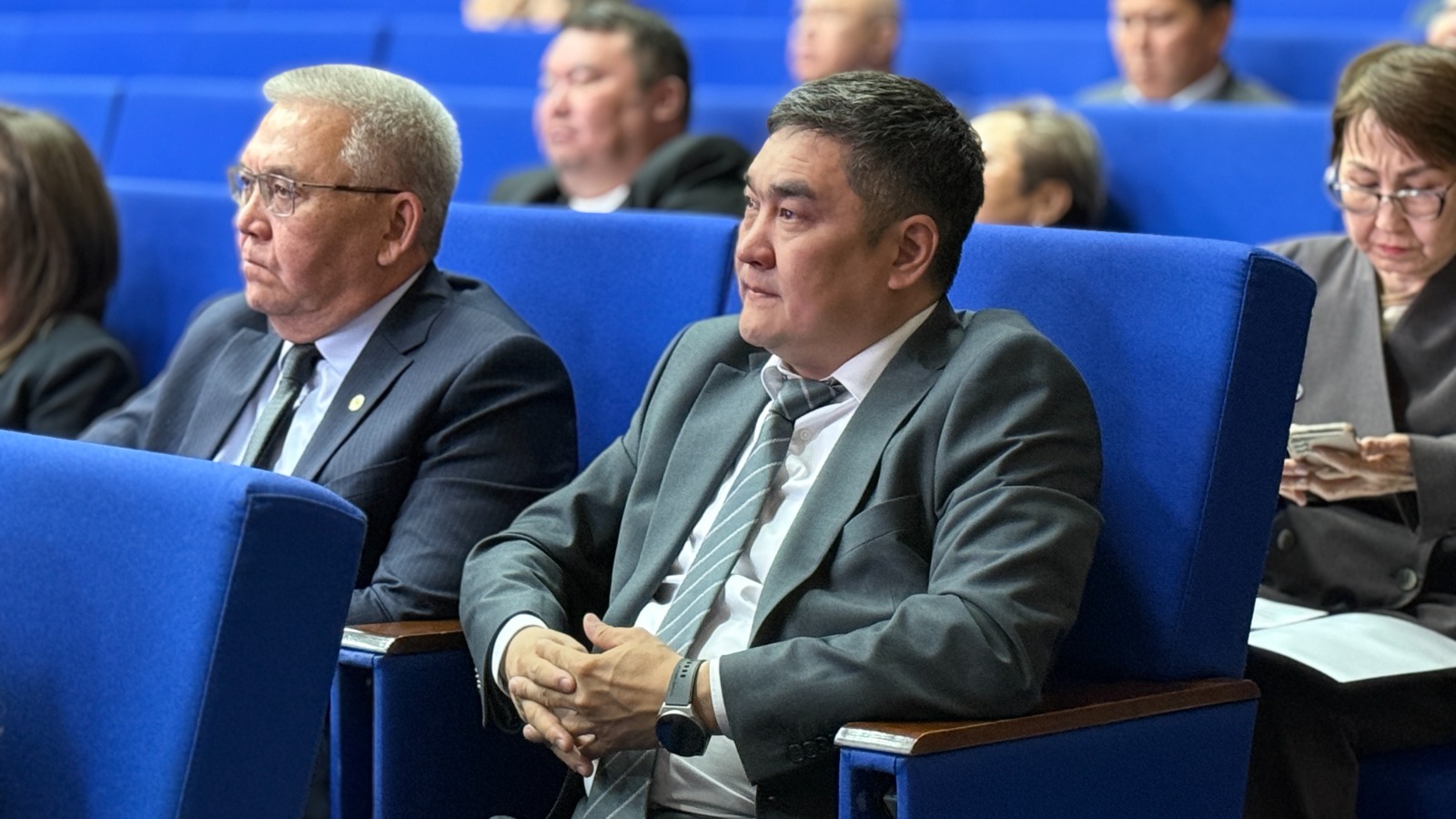
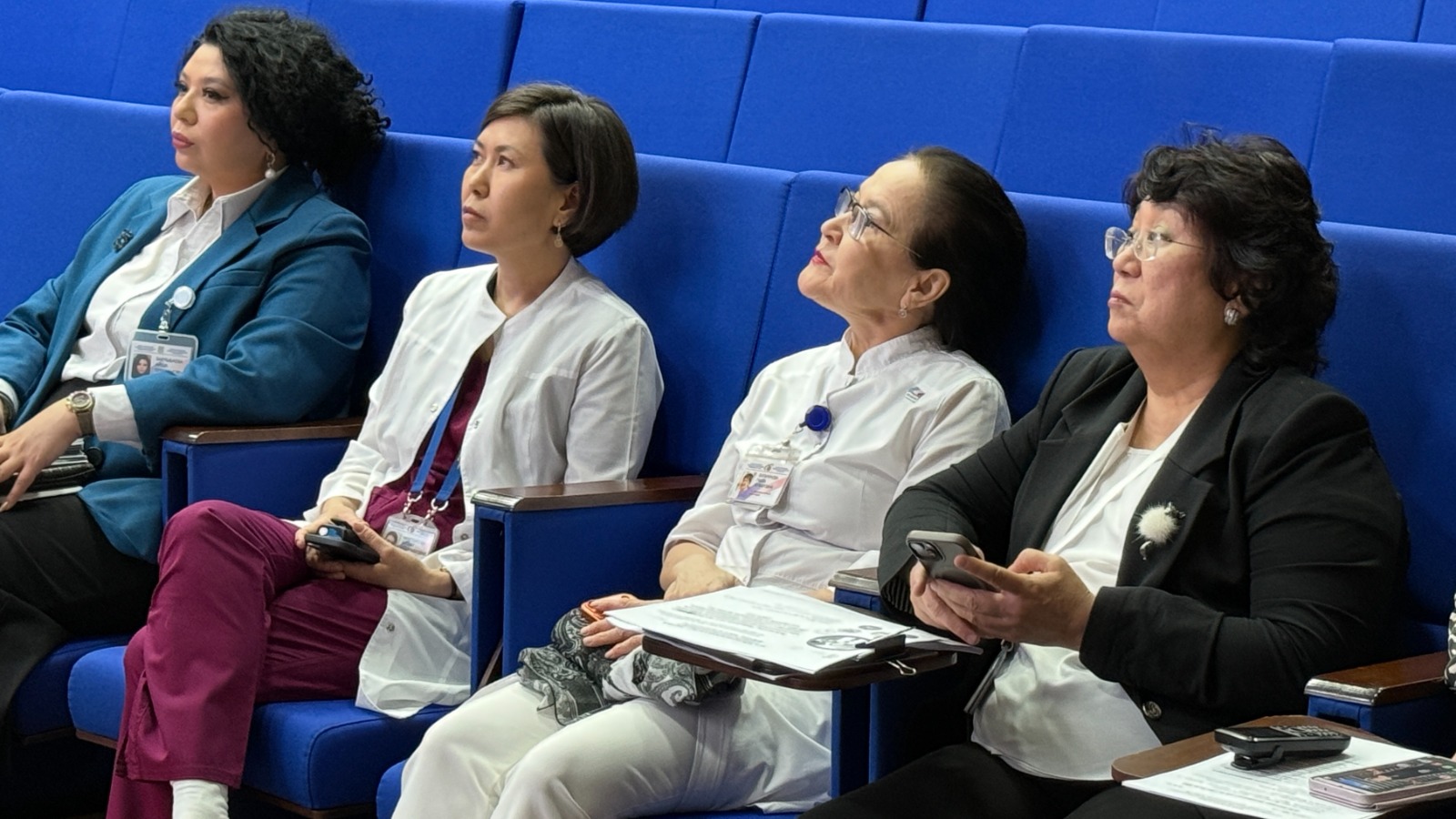
The Medical Center Hospital hosted a visit of a delegation of heads of medical organizations and healthcare departments from all regions of Kazakhstan. The meeting brought together more than 40 heads of regional, city, and specialized medical institutions.
The main purpose of the visit was to exchange experience and learn about the advanced practices in the organization of medical care implemented at the Medical Center Hospital.
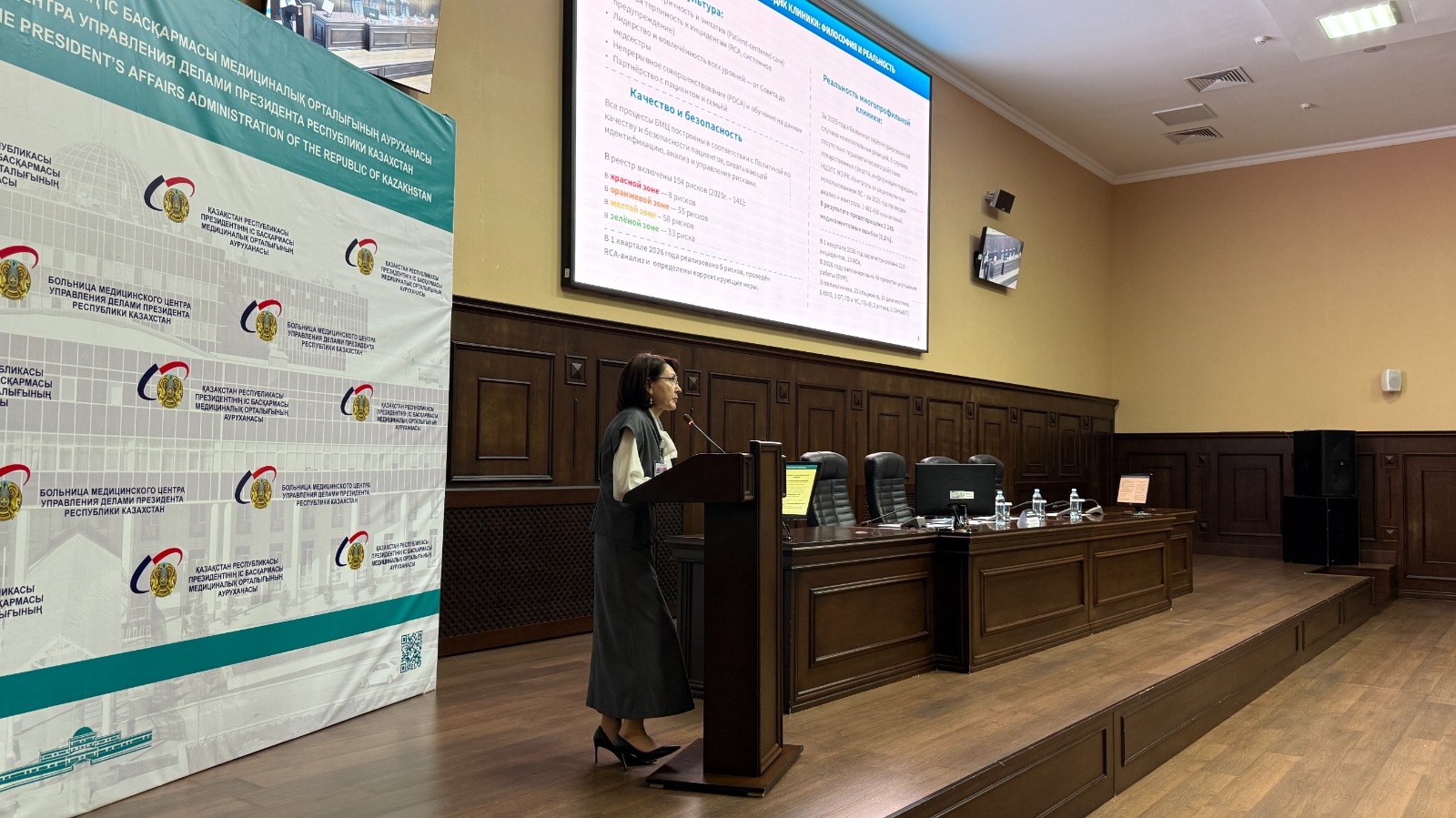
The program began with a presentation video about the Hospital’s activities, followed by an introduction to the key areas of modern medicine development. The Director of the Hospital, Raushan Karabayeva, delivered conceptual presentations. She spoke about a comprehensive approach to the development of a medical organization, highlighting the implementation of advanced methods to strengthen the health of the nation and the establishment of a managed pharmacotherapy system as a basis for patient safety and clinical effectiveness.
Special attention was paid to the formation of the clinic’s internal ecosystem based on the principles of patient-centeredness and continuous process improvement. As part of its safety strategy, the Hospital has implemented a risk management system: to date, 154 potential risks have been included in the register and categorized by criticality level.
Practical experience was presented by Altyn Nurpeisova, Head of the Clinical Pharmacology Department. In her presentation, she spoke about the establishment of a centralized pharmacotherapy management system that ensures multi-level control of prescriptions and improves the safety of medication treatment for patients.
Current approaches to the prevention of healthcare-associated infections and the provision of epidemiological safety were presented by Mariyash Zhaisanbayeva, Head of the Infection Control Service. The presentation covered key solutions applied in a multidisciplinary inpatient facility.
Such meetings not only make it possible to exchange experience, but also to scale effective practices, strengthen professional cooperation, and ultimately improve the quality of medical care for the population.